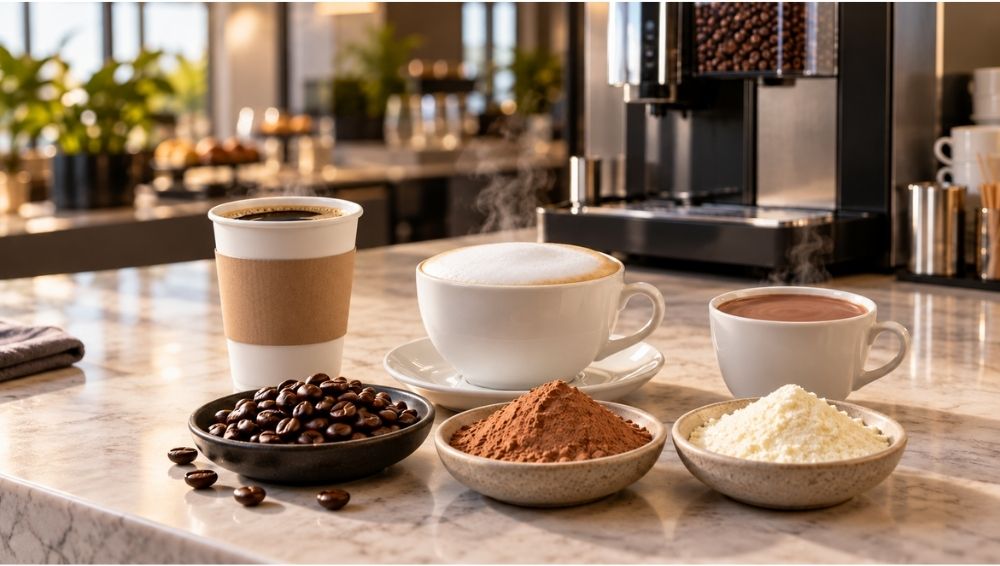
Cappuccino & Specialty Beverage Mixes for Bean-to-Cup Machines: What to Know Before You Choose a Supplier

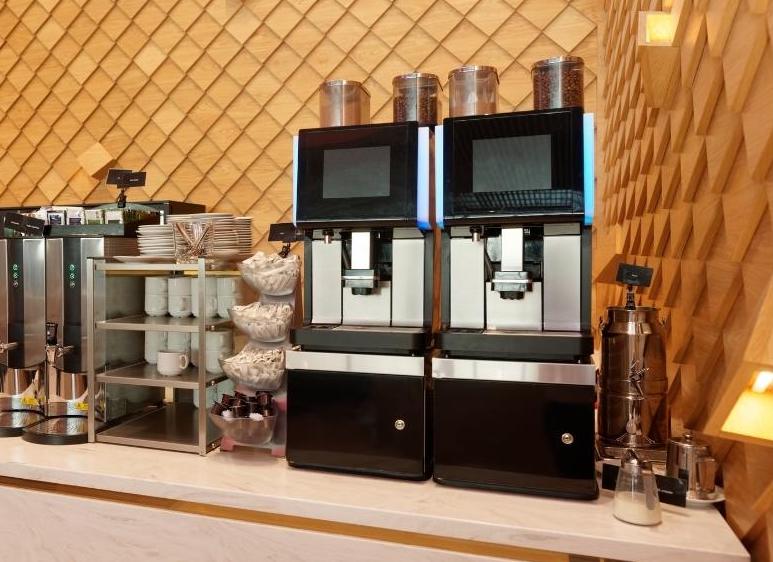
Bean-to-cup systems have become a cornerstone of today’s beverage programs. Offices, convenience stores and hospitality operators rely on them because they deliver fresh, café-style beverages without needing a full café setup. And as consumer expectations rise, these machines make it possible to offer more than basic coffee—think cappuccinos, mochas and flavored specialties available on demand.     

What’s driving adoption is the blend of variety, consistency and ease of use. Modern systems from manufacturers like Jura, WMF, Schaerer and other commercial bean-to-cup brands give operators a reliable way to offer café-style drinks across locations of any size.

But there’s a factor that has just as much impact as the equipment itself:

The quality of the mixes used in the machine.

Formulation affects everything—flavor, solubility, yield, texture and even the long-term performance of the equipment. A mix designed specifically for bean-to-cup environments supports smooth operation and delivers the kind of beverage experience customers expect.

Understanding those formulation differences is what separates a beverage program that simply functions from one that customers remember.

Why Formulation Matters More Than You Think

Even the most advanced machines can only perform to the level of the ingredients they dispense. A well-built mix is engineered to flow, dissolve and hold its flavor integrity across a range of brewing conditions. A poorly formulated one can cause:

  • Clumping, which affects drink texture and machine performance
  • Excess residue, leading to maintenance issues and downtime
  • Inconsistent yields, which make cost-per-cup unpredictable
  • Flat flavors or weak aromas, which undermine the premium experience customers expect

A clean-dissolving, performance-built mix helps prevent these issues. It supports efficient operation while delivering the kind of taste and texturenormally associated with barista-made beverages.

This is why operators turn to Corim Industries, where formulations are developed specifically to meet the demands of bean-to-cup and other high-performance equipment.

Defining a Café-Style Beverage in a Bean-to-Cup Environment

Today’s consumers don’t just want a flavored hot drink. They want something that feels like a café beverage. That expectation is shaped by several formulation elements:

Flavor Balance

Cappuccino and mocha mixes need the right ratio of sweetness, cocoa, dairy components and aromatics to deliver a rounded, indulgent profile. Corim’s R&D team develops balanced profiles that are tested specifically for stability and flavor clarity in bean-to-cup applications.

Mouthfeel

A rich, creamy texture is a hallmark of café beverages. Mixes designed for bean-to-cup systems replicate this through carefully crafted dairy bases or non-dairy creamers.

Trend Alignment

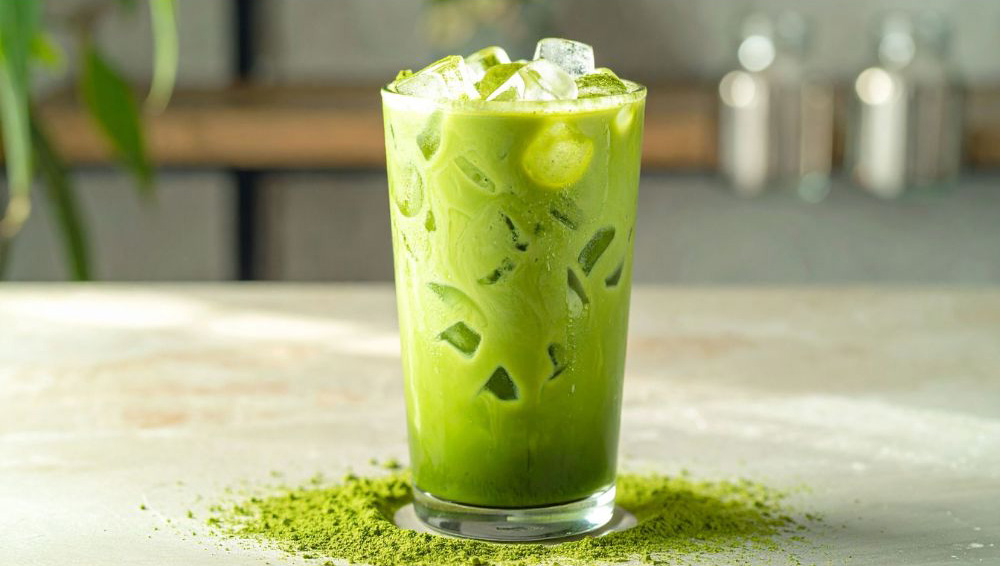
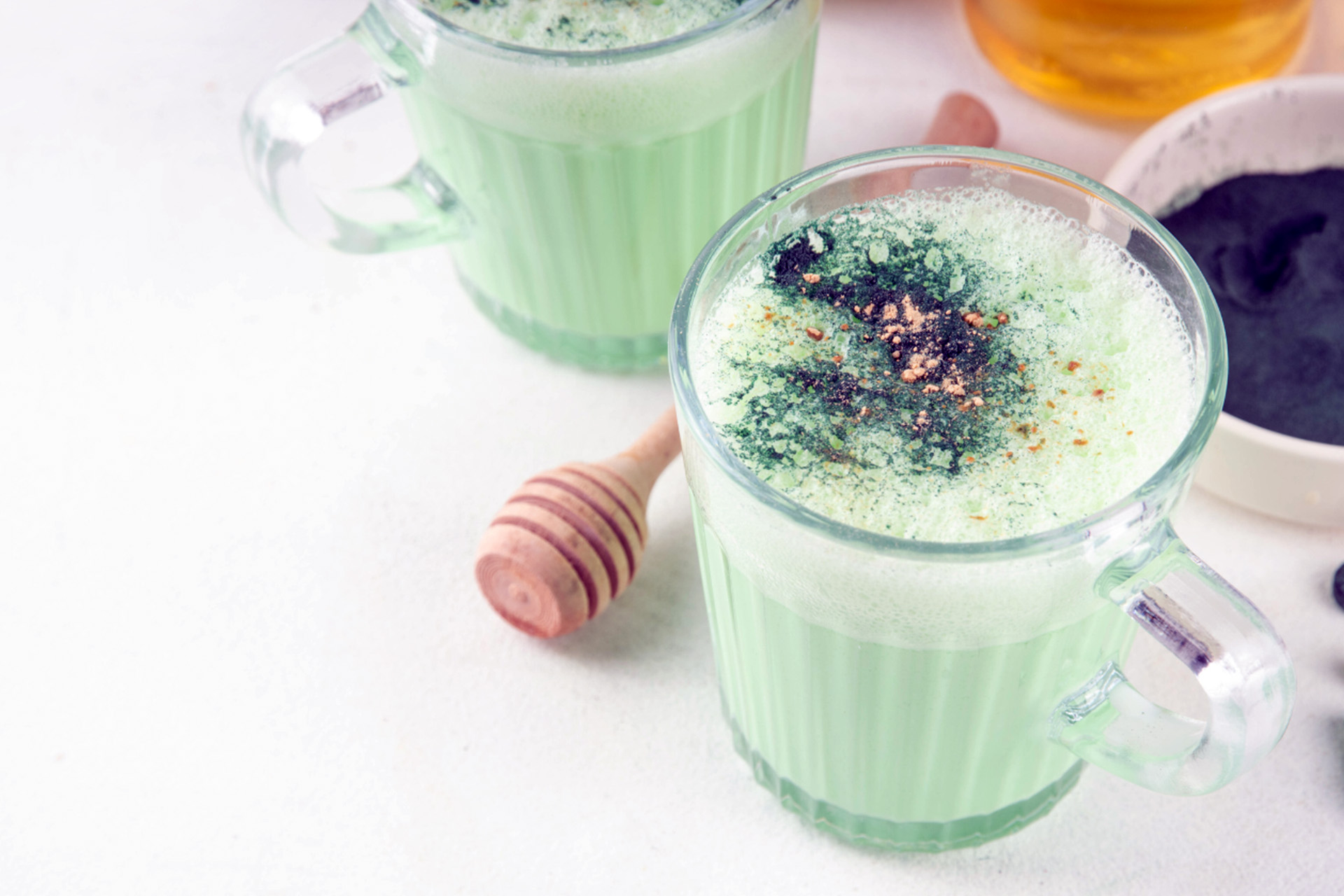
Chai, matcha, seasonal flavors and elevated classics like salted caramel or French vanilla keep beverage programs relevant without complicating operations. Corim’s ability to develop both traditional and trend-driven mixes—plus private-label customizations—makes it easier for brands to evolve their beverage offerings without revamping equipment.

When mixes deliver on these characteristics, the customer perceives the drink as premium, even in self-serve or quick-serve environments.

The Value of Domestic Manufacturing

Mixes produced in the United States offer several advantages:

  • Quality assurance through consistent manufacturing standards
  • Shorter, more reliable lead times compared to overseas sourcing
  • Greater traceability for compliance, audits and safety protocols
  • Smoother private-label development, when customization or scale is needed

U.S.-based production and in-house formulation capabilities give operators confidence in product consistency, supply continuity and regulatory transparency—all essential for long-term beverage programs.

Versatility Across Beverage Equipment

While formulated for bean-to-cup machines, high-quality mixes can perform across a range of platforms:

  • Soluble hot beverage equipment
  • Commercial foodservice beverage stations
  • Micro-market and office coffee programs
  • Retail and at-home brewing formats

Corim produces mixes that perform reliably across all these environments, helping distributors and brand owners streamline inventory and maintain flavor consistency across channels.

What to Look for When Evaluating a Mix

When selecting cappuccino or specialty beverage mixes, consider the following criteria:

  • Solubility: Does it dissolve cleanly without leaving residue?
  • Flavor integrity: Does the taste stay true across different machine settings?
  • Yield consistency: Are portion sizes reliable cup after cup?
  • Texture quality: Does the beverage feel rich and balanced, not thin or overly sweet?
  • Equipment compatibility: Is the formulation tested for bean-to-cup systems?
  • Manufacturing transparency: Can you trace where and how it’s made?

Corim is chosen again and again because our formulations are tested in real equipment, manufactured in the U.S. and built to ensure consistent solubility, texture and flavor.

These factors influence both operational efficiency and customer perception.

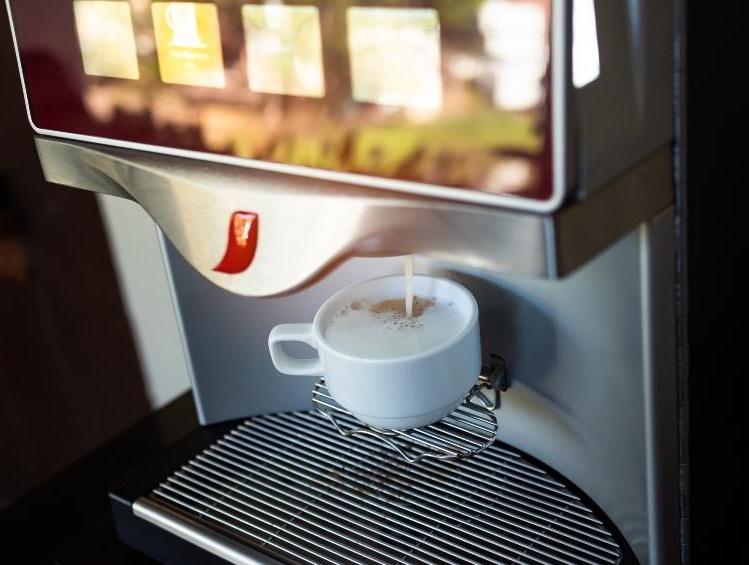
bean-to-cup machineBringing It All Together

Bean-to-cup technology has made it possible for operators to meet modern beverage expectations at scale. But the ingredient behind the machine is what ultimately determines whether a cappuccino or specialty drink feels premium—or forgettable.

Corim Industries combines U.S.-based manufacturing, strong R&D expertise and private-label flexibility to help operators build beverage programs that deliver dependable quality and stand out in a crowded market.

Ready to strengthen your bean-to-cup program? Connect with Corim’s R&D and manufacturing team to discuss formulations, private-label opportunities and custom solutions that fit your equipment and beverage strategy.

Agglomeration Explained: The Secret to Smooth, Consistent Powders

When a powdered drink dissolves instantly — no clumps, no grit, just smooth flavor and clean texture — that’s agglomeration at work.

Agglomeration is a critical step for brands that want every serving to mix perfectly and taste consistent from first sip to last. It’s the process that elevates texture, solubility and taste — creating a more enjoyable product from the first pour to the last sip.

At Corim Industries, every part of the process — from formulation to agglomeration and packaging — happens on-site. That level of control means faster development, shorter lead times, tighter quality oversight and products that meet exact specifications. By managing the entire process in one place, we give partners the confidence that every blend will perform as smoothly in production as it does in the cup.

What Exactly Is Agglomeration?

At its core, agglomeration is the controlled transformation of fine powders into larger, porous and more uniform granules. This physical restructuring improves nearly every handling and sensory property of the material.

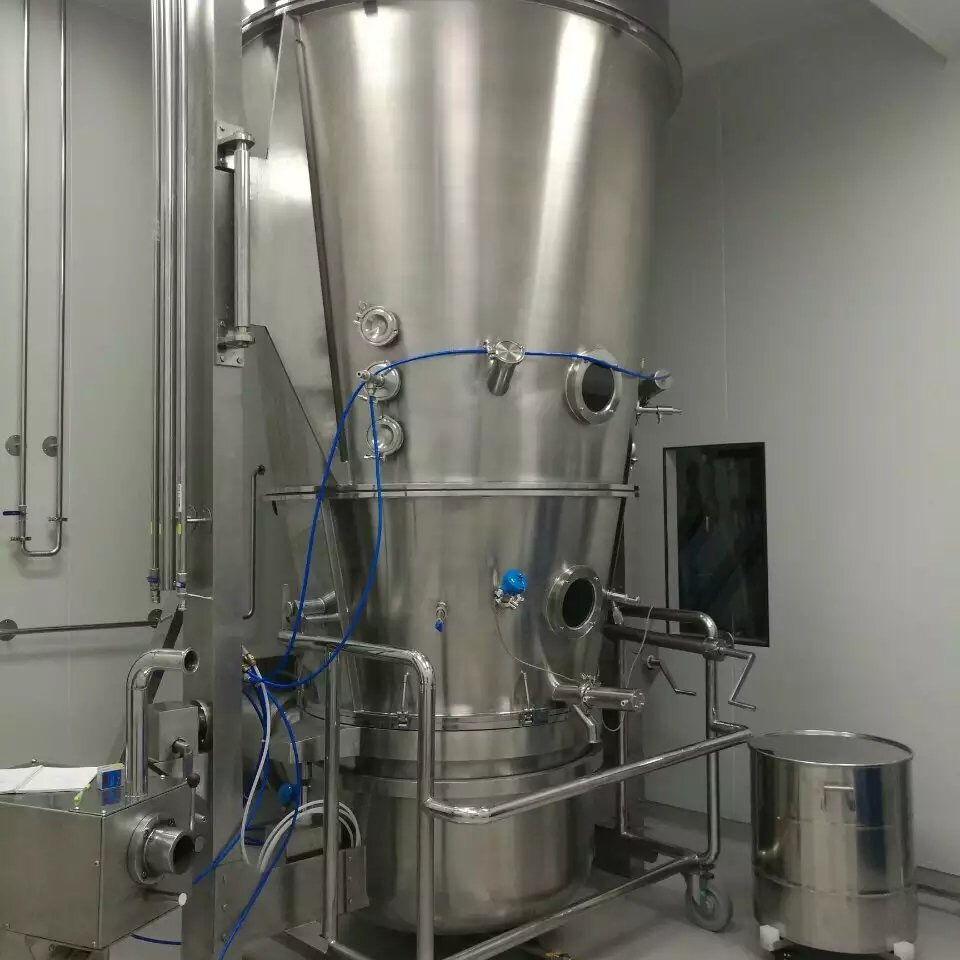
agglomeratorHere’s what happens inside the system:

  1. Spraying — Binder Droplets / Powder: A fine mist is sprayed onto the powder surface to introduce moisture and begin particle adhesion. Controlled heat (typically between 38-65°C / 100.4–149°F) and air flow prepare each particle to bond.
  2. Nucleation & Growth — Liquid Bridge: As particles collide, tiny liquid bridges form between them, encouraging small clusters to join together. The residence time and humidity profile determine the granule’s growth and density.
  3. Consolidation / Solidifying — Solid Bridge: As moisture evaporates, the temporary liquid bridges harden into stable solid bonds. The porous structure that remains allows liquids like water or milk to penetrate quickly when reconstituted.
  4. Agglomeration — “Blackberry Structure”: The final granule forms — a strong, open structure resembling a blackberry cluster. This shape improves solubility, flowability and texture across a wide range of powdered beverage systems.

Unlike spray drying or extrusion, Corim’s agglomeration process uses no chemical binders or additives. It’s purely mechanical and thermal, producing clean-label powders with exceptional performance and consistency.

Binding Dust and Beyond: Agglomeration in Other Industries

While Corim applies agglomeration to improve solubility, texture and product performance in powdered beverages, the same principles are widely used outside the food and nutrition space. In baking, for example, flour and water naturally agglomerate to form cohesive dough. In mineral and chemical processing, agitation agglomeration is often used to bind dust and create larger, more stable granules for safer handling and transport.

This technique uses motion and a liquid binder to form pellets or granules that improve flowability, reduce airborne dust and enhance overall material performance—the same science that helps drink mixes dissolve smoothly also supports cleaner, safer and more efficient processing in other industries.

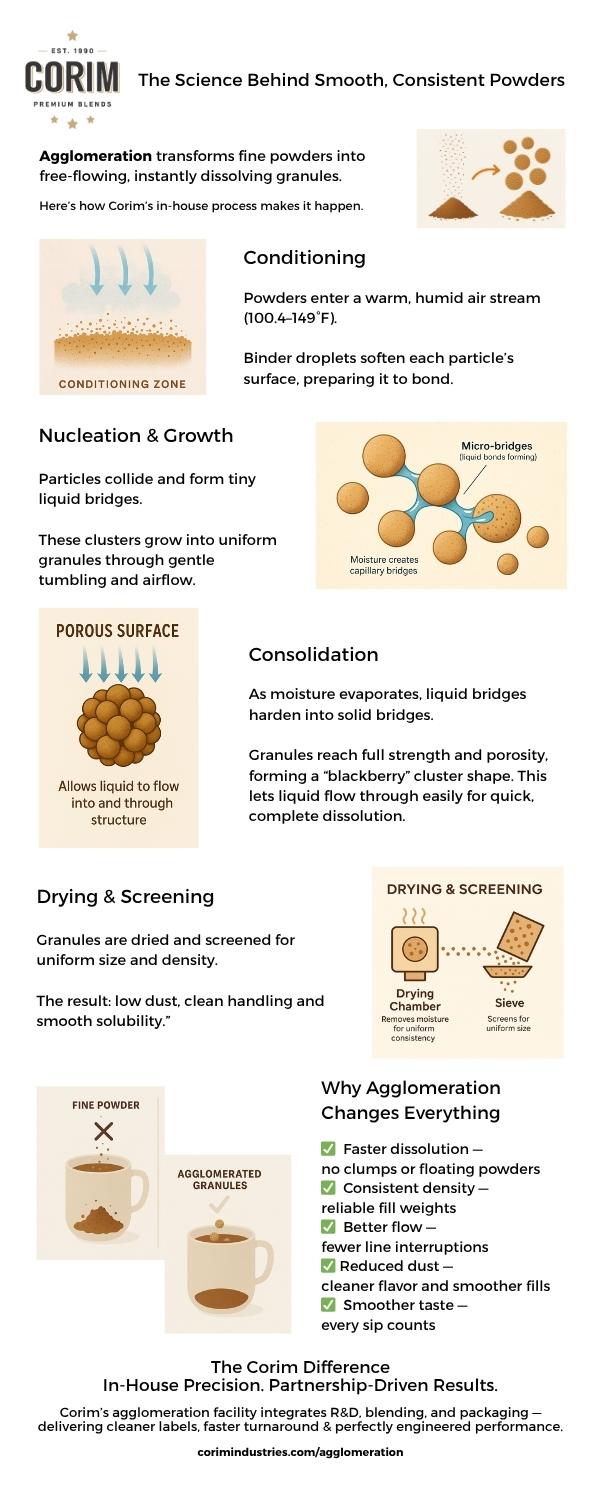
Visualizing the Agglomeration Process

Agglomeration combines heat, motion and moisture to transform fine powders into uniform, instantly dissolving granules. This infographic demonstrates how each stage works together to create smooth, consistent performance in every formulation.

Science Behind Agglomeration

Why It Matters for Formulation and Production

Fine powders behave unpredictably. Their small particle size creates high surface area, leading to poor flow, dusting and non-uniform filling. Agglomeration mitigates these issues in measurable ways:

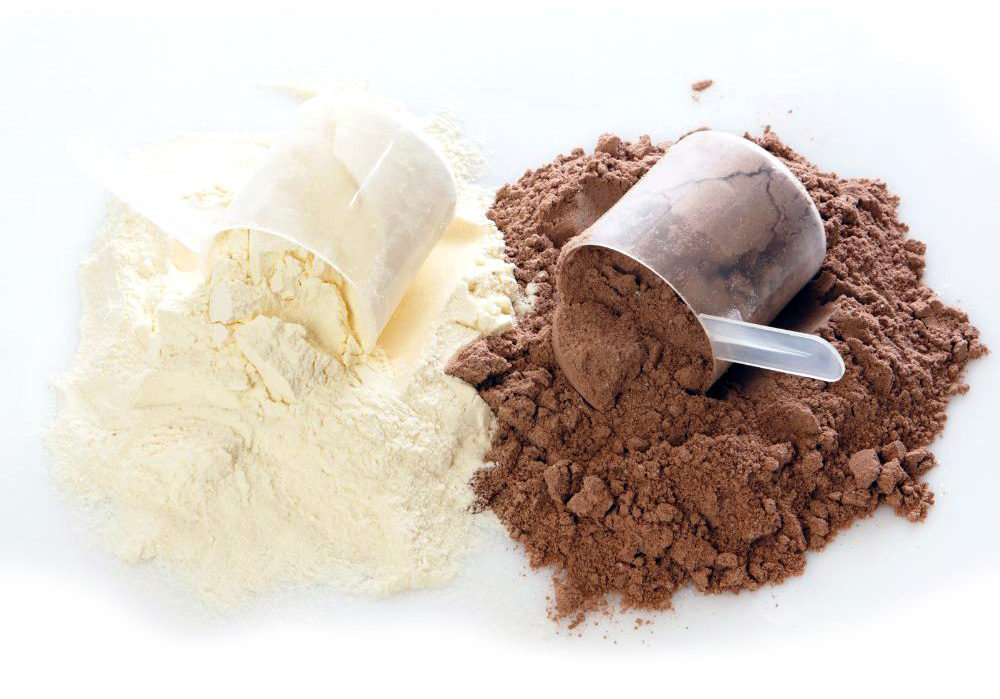
  • agglomerated powderImproved Flow Properties: Granules flow freely through hoppers and augers, reducing bridging and segregation during packaging
  • Controlled Bulk Density: Customizable from light (instant drink mixes) to compact (nutritional blends), enabling consistent fill weights and stable shelf life
  • Rapid Wetting and Dispersion: Porous granule surfaces allow liquids to infiltrate quickly, preventing floating or clumping
  • Reduced Dust & Segregation: Agglomeration stabilizes each particle, reducing dust during blending, filling and transport. Lower dust levels mean cleaner flavor expression, more precise fills and consistent quality from batch to batch.
  • Enhanced Mouthfeel: The uniform particle structure leads to smoother textures and more even flavor release

Cleaner, more stable granules mean stronger flavor retention, smoother flow through packaging lines and a final product that meets brand expectations for consistency and shelf appeal. These technical gains directly support both manufacturing efficiency and consumer perception — two sides of the same success story.

Applications in Beverage Development

Agglomeration plays a defining role in the development of instant and functional beverage products. Whether the goal is better solubility in cold liquids, smoother texture in protein blends or faster dispersion in hot beverages, agglomeration allows precise control over performance and mouthfeel.

For brand partners, that means the ability to launch products that meet modern consumer expectations — convenience, clean taste and consistent results in every preparation. From private label instant coffee and tea to fortified cocoa, creamer and nutrition powders, agglomeration ensures that every blend behaves exactly as intended.

Because Corim manages every step in the process—R&D, formulation, blending, agglomeration and packaging— at a single facility, brands can move from lab concept to shelf-ready product faster and with fewer quality hurdles.

Cleaner Powders, Consistent Quality

Corim’s agglomeration process creates stable, low-dust granules that mix evenly, fill precisely, dissolve smoothly and perform reliably — delivering the clean flavor and consistency consumers expect in every cup.

Clean Label & Sustainability Advantages

Agglomerated beverage mixes

Agglomeration supports the growing demand for clean label, sustainable products. Corim’s process relies purely on heat, water and air — no chemical binders or artificial agents. The result is a clean, straightforward formulation that meets growing consumer demand for transparency.

The process also enhances sustainability through operational efficiency. Better flowability and uniformity reduce waste during filling. Lower dust also improves flavor stability and packaging presentation — helping brands deliver a cleaner, higher-quality product to consumers. Improved solubility minimizes product residue during preparation. These small efficiencies add up — lowering resource use across the product’s lifecycle and helping partners advance their sustainability commitments without sacrificing performance.

The Corim Difference

Corim’s in-house agglomeration line is fully integrated with our blending and packaging operations, giving us total control over every variable — from humidity and air velocity to granule size distribution and product density.

Because we manage this capability internally, we can adjust formulations in real time, fine-tune performance and move seamlessly from pilot to full-scale production. Our R&D team works closely with partners to:

  • Optimize solubility and dispersibility for specific beverage systems
  • Improve flow characteristics for high-speed stick pack or pouch lines
  • Customize density and moisture targets for a variety of shipping environments

The result: low-dust powders that not only dissolve better but perform flawlessly from blending to filling to the consumer’s cup.

Turning Precision into Consumer Experience

Agglomeration is one of the most critical steps in creating a product consumers truly enjoy. By controlling how powders bind, flow and dissolve, Corim ensures every mix performs flawlessly in production and delivers the smooth texture, balanced flavor and consistent quality that define a great beverage experience.

Explore Corim’s agglomeration capabilities.

The Rise of Functional Beverages: How Corim Industries Helps Brands Bring Benefits to Every Sip

Today’s consumers aren’t just looking for flavor — they’re looking for function. From collagen coffee and protein matcha to hydration mixes and mushroom-infused cocoa, the functional beverage revolution is reshaping what people reach for on store shelves. These drinks deliver energy, focus, beauty and recovery in convenient, flavorful forms — and the market shows no signs of slowing down.

Functional beverages have become a powerful intersection of nutrition, science and lifestyle, driven by health-conscious consumers who expect more from every sip. This shift has opened the door for innovative brands, both established and emerging, to create targeted, benefit-driven products that meet growing demand for wellness and performance.

Market Trends & Consumer Drivers

The rise of functional beverages isn’t just hype — it’s backed by numbers. Market research valued the global functional beverage market at $175.5 billion in 2022 and projects it to reach $339.6 billion by 2030.1

functional beverages

In the U.S., non-alcoholic beverage volume grew by roughly 20 percent in 2023 and is expected to expand at a 17 percent compound annual growth rate through 2028.2 Younger consumers are drawn to products that fit their active lifestyles, support mental focus, and align with values like sustainability and clean labeling.

Another driver is the growing focus on resilience. Beverages formulated with adaptogens are in high demand, along with functional mushrooms that help manage stress, boost immunity and support cognition. Together, these trends show that functional beverages aren’t a passing fad — they’re a long-term shift in how people think about nutrition, energy and daily performance.

Innovation Starts in the Lab

At Corim Industries, we help brands translate these wellness trends into successful products through our in-house R&D laboratory. Our team works closely with clients to create custom formulations that deliver both flavor and function, combining cutting-edge food science with real-world manufacturing expertise.

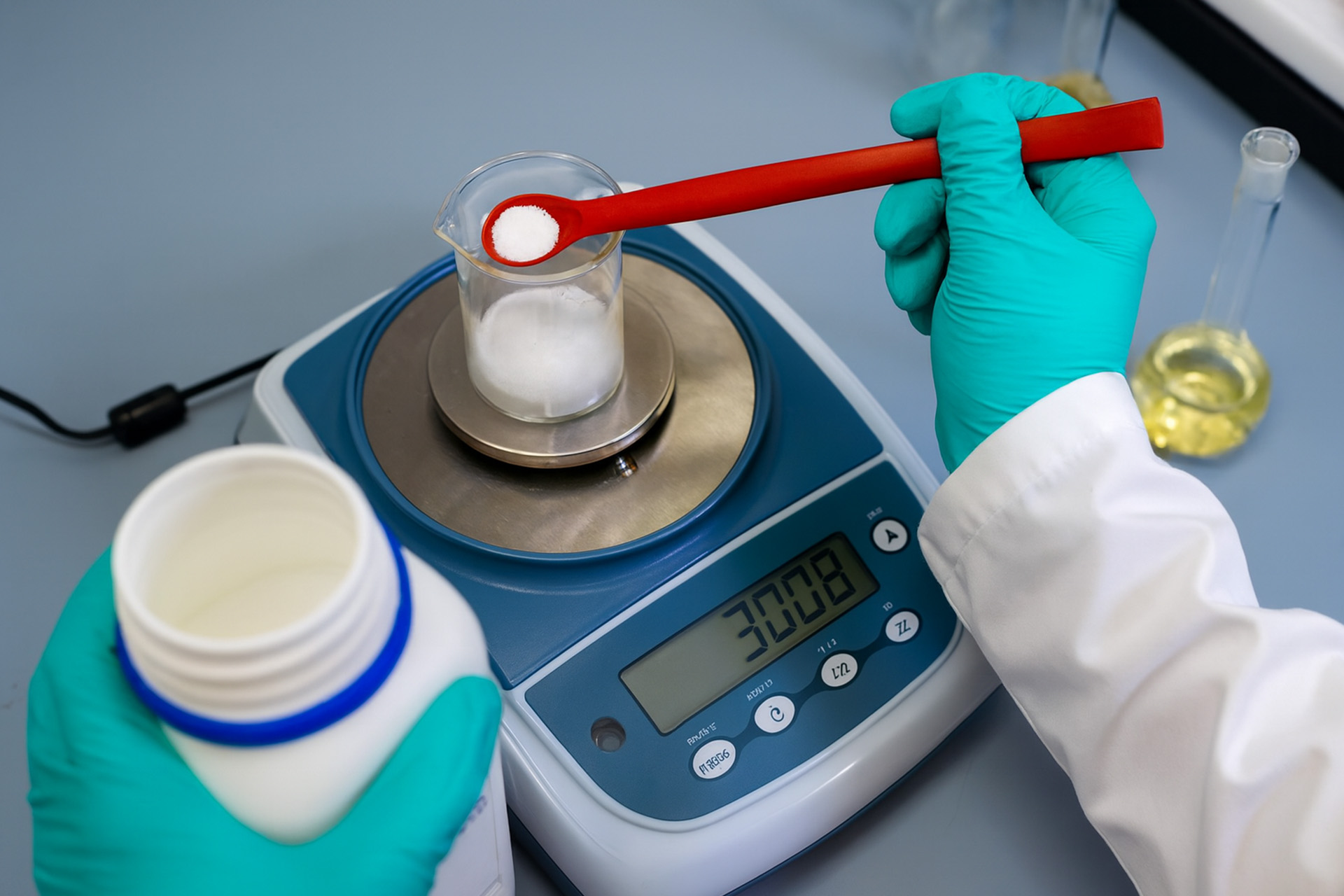
R&D Lab at Corim Industries developing functional beverage mixesWe’ve helped brands develop an extensive range of functional products. The examples below are just a glimpse of what we already do:

  • Proteins and Collagen for strength and beauty-from-within support
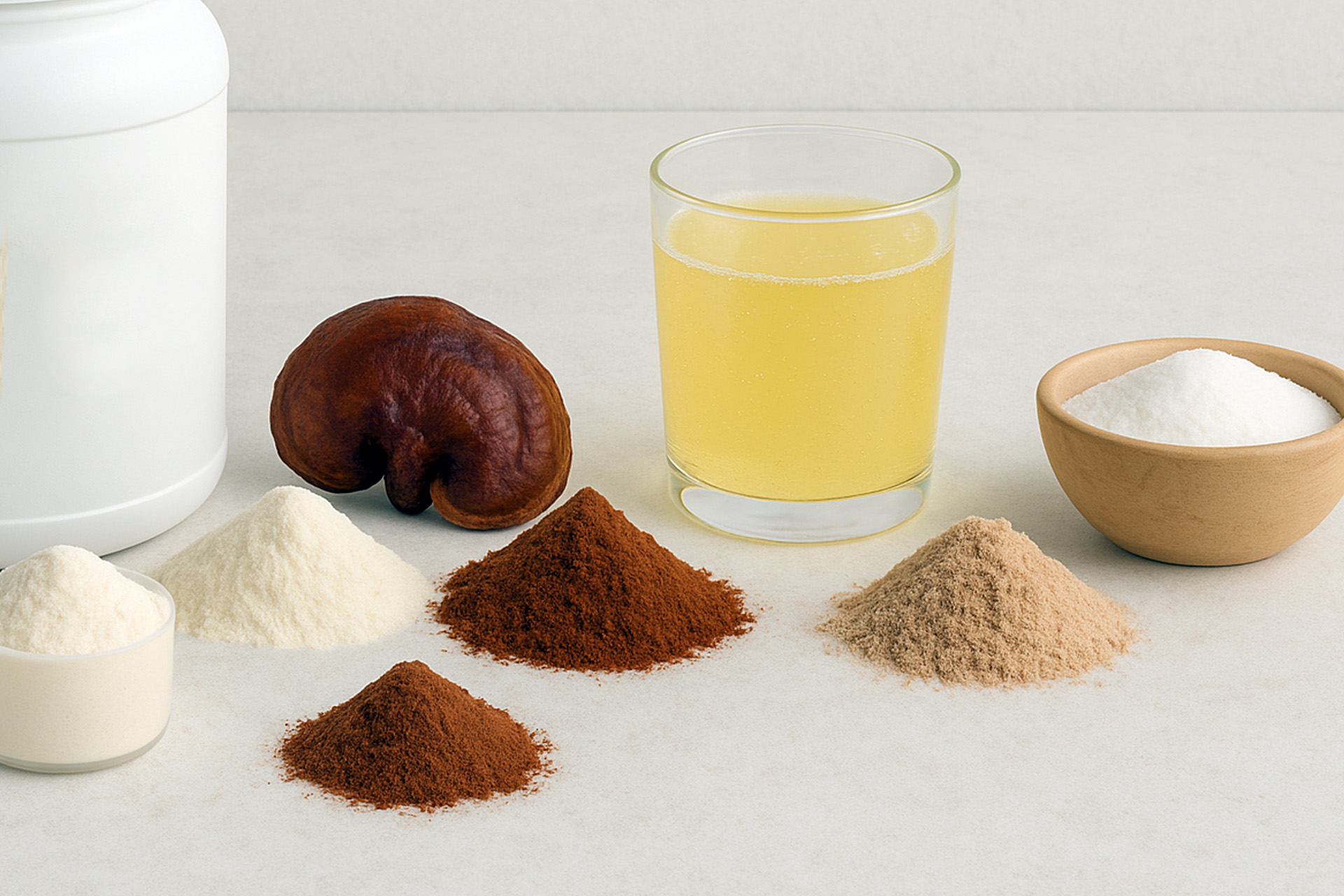
  • Mushroom Extracts such as lion’s mane, reishi and cordyceps for focus and immunity
  • Vitamins, Electrolytes and Adaptogens for energy, balance and recovery
  • Natural Sweeteners and Functional Fibers to meet clean-label expectations

Our capabilities go well beyond this list — and as functional trends evolve, we continue to expand and innovate alongside them.

From solubility and sensory profiling to stability testing, every new blend is carefully engineered for performance and consistency. This ensures your drink tastes great, dissolves smoothly and stays shelf-stable — all critical for commercial success.

Our New Fully Automated Packaging Line

To keep pace with this booming category, Corim Industries is investing in a state-of-the-art fully automated packaging line, coming soon in Q4 2025. This marks one of the most exciting upgrades in our company’s history and a major enhancement to our production scalability and speed.

Once operational, the new line will offer:

  • Packaging capabilities from single-serve packs to 1 lb retail stand-up pouches
  • Precision dosing and sealing for consistent fill weights and freshness
  • Fast changeovers for multiple beverage types and batch sizes
  • High-efficiency automation to support both pilot runs and large retail orders

This new system is built to scale with our customers — whether you’re launching a small specialty batch or expanding to national distribution. It will enable even faster turnaround, greater flexibility and more consistent quality across every order size.

The video below demonstrates our new equipment in action.

Built for Growth: Partnering With Corim

For over 30 years, Corim Industries has combined hands-on expertise and advanced technology to help beverage brands thrive. Our 3rd Party-certified manufacturing campus in Brick, New Jersey provides:

  • Full-service R&D, Toll-Roasting and Co-Packaging options
  • Scalable production — from small pilot runs to full retail volumes
  • Flexible packaging formats to match your market strategy
  • Commitment to quality, consistency and continuous improvement

Whether you’re an established label introducing a new product line or a start-up developing your first functional mix, Corim provides the infrastructure and partnership to bring your concept to life.  You dream it, we create it.

Where Innovation Meets Scalability

As the functional beverage market continues to expand, brands that can innovate quickly and scale efficiently will lead the way. At Corim Industries, we make that possible — combining R&D ingenuity, automated production and decades of formulation experience to help you bring the next generation of functional drinks to market.

Our new packaging line marks the next step in that evolution — speed, flexibility and opportunity for brands ready to grow.

Learn more about Corim’s beverage R&D and co-packing services

1https://www.zionmarketresearch.com/report/functional-beverages-market
2https://www.thedrinksbusiness.com/2024/09/us-millennials-are-driving-the-non-alc-drinking-trend/