The right private label beverage manufacturing partner can help simplify the path from product idea to finished goods, bringing together formulation, production, packaging and other capabilities that might otherwise require multiple suppliers. Just as importantly, the manufacturer you choose needs to fit where your business is today while being able to support where you want to take it next.
Whether you’re launching your first beverage, adding products to an established brand or expanding a retail or foodservice program, here are some of the most important things to consider when evaluating a private label beverage manufacturer.
1. Start With the Product, Not the Packaging
Private label is often associated with putting your brand on an existing product. And for some businesses, that’s exactly what makes sense.
But your options may go much further.
You might want to adjust an existing beverage to better fit your customers, develop a particular flavor profile or create something from the ground up. Before comparing packaging designs, determine how much product development support you’re likely to need.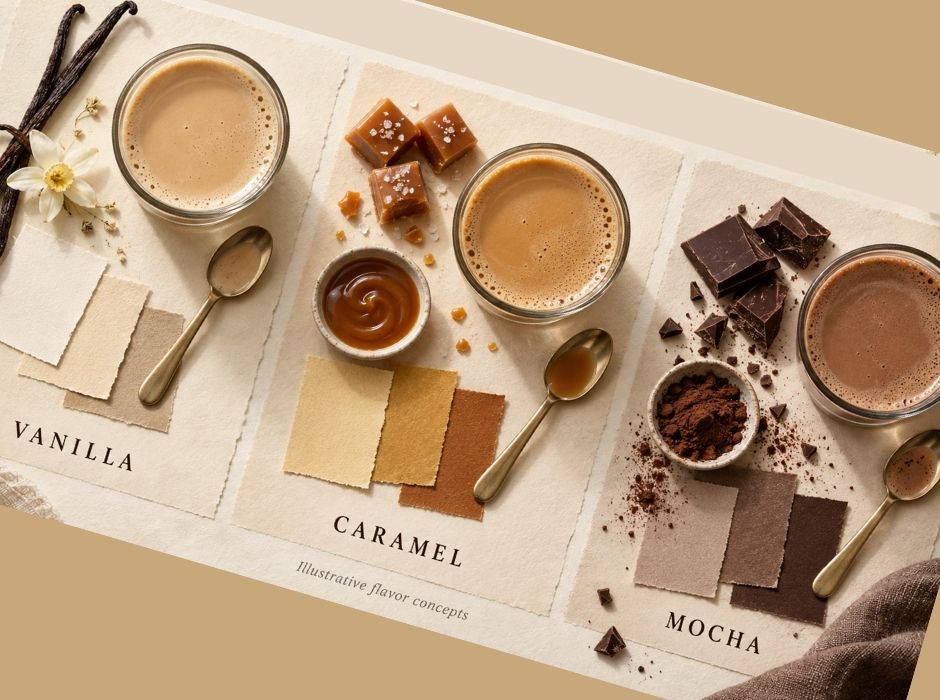
Ask prospective manufacturers whether they can:
- Provide established products and formulas
- Modify an existing product
- Develop custom formulations
- Source ingredients for specific product requirements
- Produce samples for evaluation and refinement
- Help move a successful formula into commercial production
At Corim, customers can choose from existing coffee, tea and soluble beverage offerings or work with the onsite Research & Development Lab to develop and personalize products. The R&D process can include product concept review, ingredient sourcing, formulation, sampling and refinement.
Learn more about Corim’s beverage mix and custom formulation capabilities.
2. Find Out What’s Actually Done In-House
A manufacturer may offer a long list of services, but that doesn’t necessarily mean all of those services happen under one roof.
That’s worth asking about.
Every time a product moves between outside suppliers, another step is added to the process. Depending on the product, that can affect scheduling, communication, quality oversight and cost.
Look at the entire path your product may take. Where will it be developed? Where are ingredients blended or coffee roasted? Where is it packaged? If you’re producing a soluble beverage, are specialized processes such as agglomeration handled onsite or sent elsewhere?
Corim operates a six-building manufacturing campus in Brick, New Jersey, with capabilities that include coffee roasting, soluble beverage production, onsite agglomeration, private label packaging, stand-up pouches, single-serve products, Research & Development and Quality Assurance.
Keeping complementary capabilities together can make it easier to manage a product from development through production and packaging.
3. Understand the Difference Between Private Label and Custom Development
Depending on your product and business goals, you may not need to reinvent the beverage.
Private labeling can allow a business to select an established product and sell it under its own brand. For a café adding a house coffee, a retailer building a product line or an entrepreneur testing a new concept, that can provide a more direct path to market.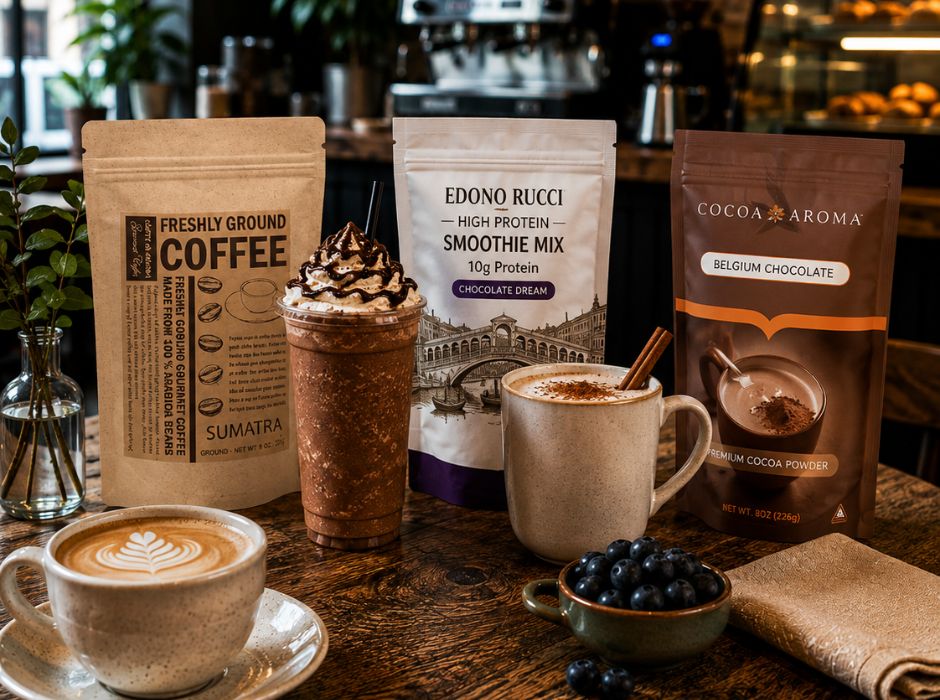
Custom development makes sense when the product itself needs to be differentiated. That could mean a particular flavor profile, ingredient requirement, nutritional target or performance characteristic.
The question isn’t which approach is better. It’s how much customization will create meaningful value for your particular product and customer.
A good manufacturing partner should help you understand your options rather than automatically steering every project toward the most complicated solution.
4. Consider How the Product Needs to Perform
A beverage doesn’t just need to taste good in a development sample. It needs to work in the real world.
A powdered mix intended for foodservice equipment, for example, may have different requirements from a retail product consumers prepare at home. Solubility, flow, consistency, portioning and preparation method can all affect the finished experience.
That’s why manufacturing capabilities should be considered alongside formulation.
Corim’s onsite agglomeration process, for example, can improve the flow and instant properties of soluble powders, helping them dissolve more readily while reducing dust. Keeping that process onsite also means the product does not need to be sent to an outside agglomeration facility.
See how agglomeration improves powdered beverage mixes.
When talking with a potential manufacturer, don’t ask only, “Can you make this?”
Ask, “Can you make this perform the way our customer needs it to?”
5. Make Sure Packaging Fits the Way You’ll Sell
Once the product is right, packaging becomes part of the strategy.
A foodservice operation may need bulk or portion-controlled formats. A retail product needs packaging suited to the shelf and consumer. A single-serve product has its own production and performance requirements.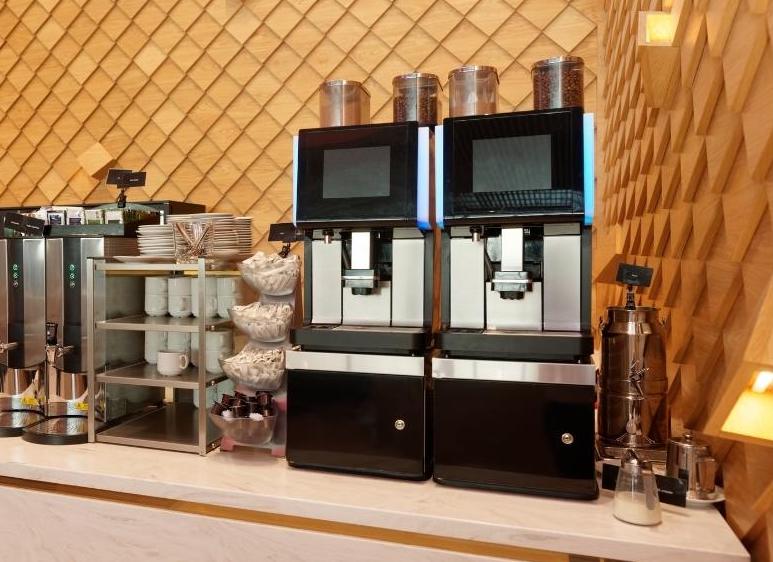
This is also where private label extends beyond manufacturing. Your package has to communicate your brand effectively once the product leaves the facility.
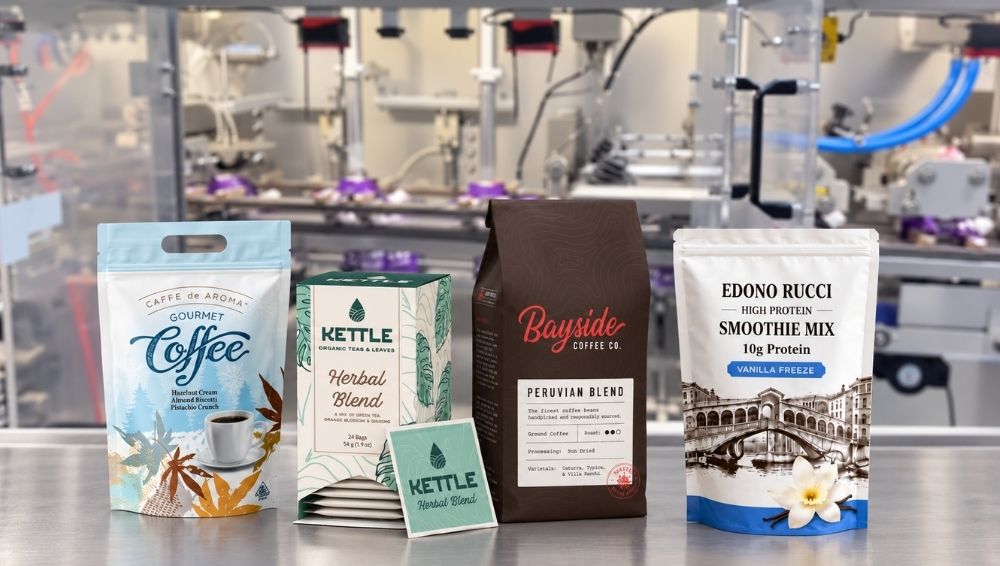
Corim’s private label packaging and branding capabilities include onsite package design and printing, with options ranging from single-serve pods and soluble mix packets to coffee, sugar and other products. Corim’s in-house graphic design team can work with an existing brand or help develop branding and packaging for a new product line.
If you’re comparing manufacturers, find out early which packaging formats are available, what can be customized and which parts of the process are handled in-house.
6. Think About the Second Product, Too
Your first order shouldn’t be the only thing you consider when choosing a manufacturing partner.
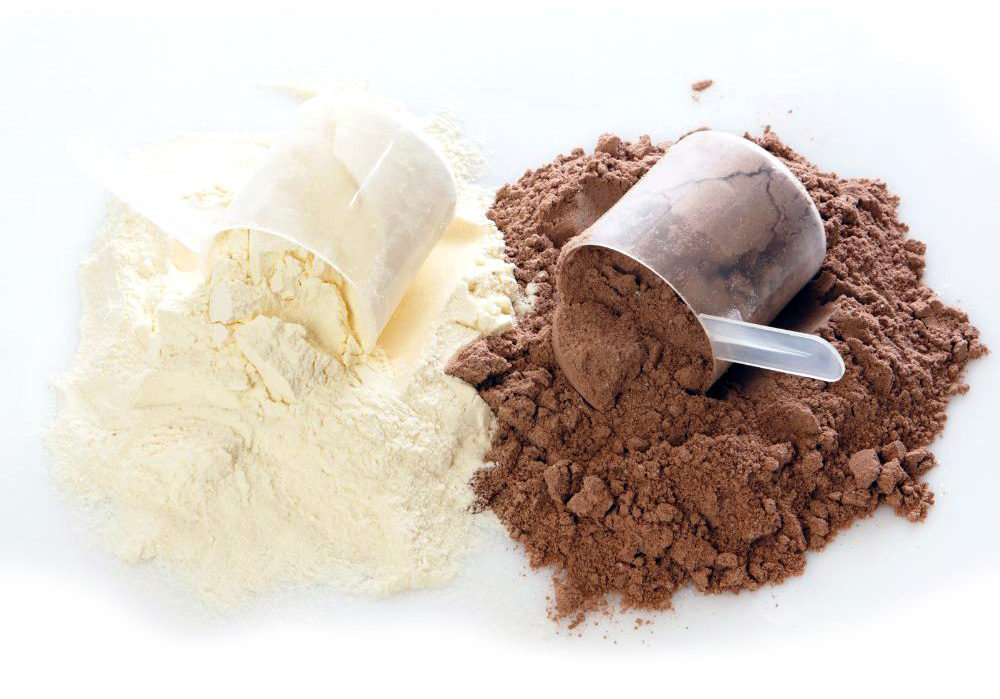
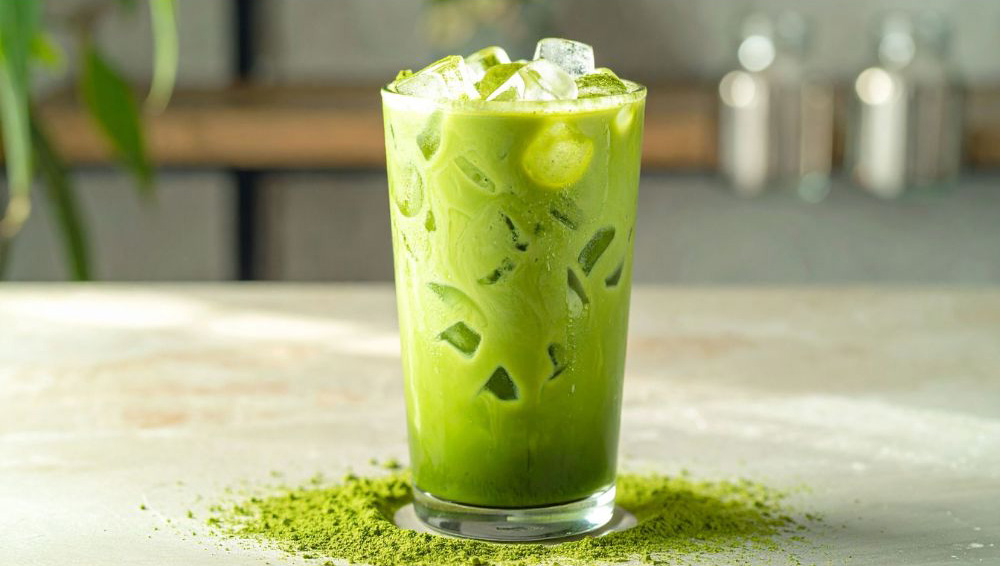
A business that starts with private label coffee may eventually want tea, sweeteners or single-serve products. A company launching a cappuccino mix might later expand into hot chocolate, chai, smoothies, protein beverages or seasonal flavors.
Changing manufacturers every time you enter a new category adds work and complexity.
Before committing to a partner, look at the breadth of its capabilities and ask whether they align with your longer-term plans.
Corim works across coffee and tea, soluble beverage mixes, protein beverages, sugar and sweeteners, single-serve cups and specialty products. That allows customers to build or expand a beverage program through one manufacturing relationship rather than necessarily sourcing every category independently.
7. Ask Whether the Manufacturer Can Grow With You
Today’s production requirements may look very different a few years from now.
A startup may initially be concerned about manageable order quantities and getting its first product launched. An established retailer or national chain may place greater emphasis on production capacity, consistency and dependable fulfillment at scale.
Neither requirement is more important than the other. What matters is finding a manufacturer whose operation fits your business.
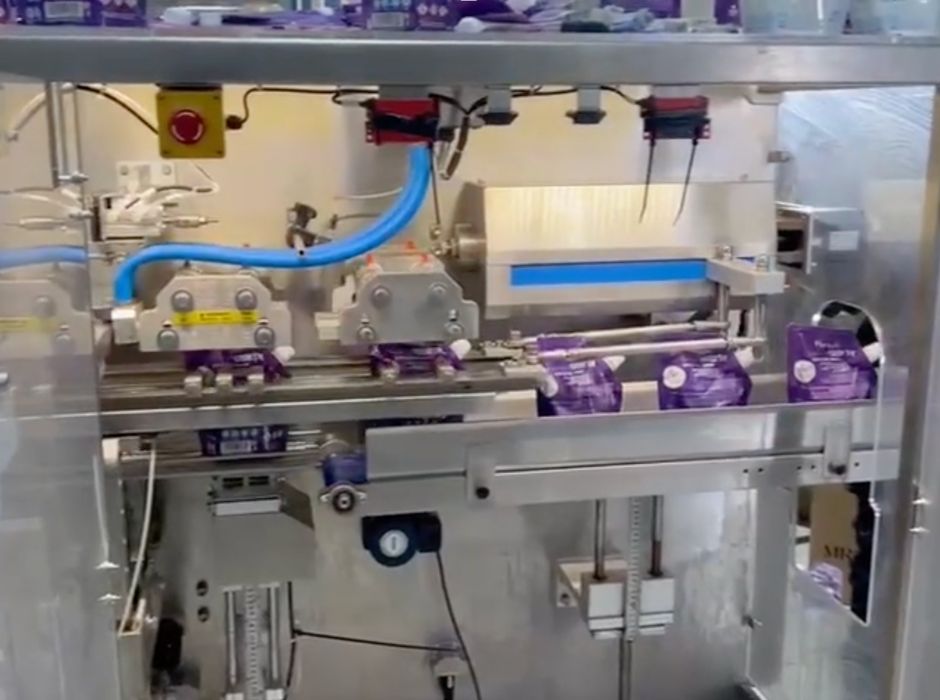
Ask about:
- Minimum order requirements
- Production capacity
- Typical lead times
- Reorder processes
- Packaging flexibility
- Quality control
- Ability to accommodate increasing volume
- Experience serving businesses at different stages of growth
Corim works with businesses ranging from startups, diners or cafés and fitness centers to retailers and national chains, giving customers the ability to maintain the same manufacturing relationship as their needs evolve.
8. Look Beyond the Manufacturing Line
Some of the most useful support may have little to do with manufacturing equipment.
For a new brand especially, getting the product made is only one part of getting it to market.
Corim’s private label capabilities extend into branding and design, including logo development, brand guidelines, packaging design and onsite printing.
Not every customer will need all of those services. But when you’re comparing potential partners, it’s worth finding out what resources are available if and when you do need them.
Questions to Ask a Private Label Beverage Manufacturer
Before selecting a manufacturing partner, have a detailed conversation about both your immediate product and your longer-term goals.
Consider asking:
- What beverage categories do you manufacture?
- Can I choose an existing product, customize one or develop something new?
- What product development and R&D support do you provide?
- Which manufacturing processes are performed onsite?
- What are your minimum order requirements?
- Which packaging formats are available?
- Can you provide private label design and packaging?
- How are samples and product revisions handled?
- What quality-control processes are in place?
- What are typical production and reorder lead times?
- Can you support additional products or higher volumes as our business grows?
A manufacturer should be able to explain not only what it can produce, but how your product will move through the development, manufacturing and packaging process.
Finding the Right Private Label Beverage Manufacturing Partner
There is no single private label manufacturing solution that’s right for every business.
An entrepreneur launching a first product has different priorities from a national retailer expanding an established line. A foodservice operator may be especially concerned with consistency and ease of preparation, while a consumer brand may place greater emphasis on formulation, differentiation and packaging.
Start by defining what you need now, where you expect the product line to go and how much support you want from your manufacturing partner.
Since 1990, Corim Industries has grown from a coffee distributor into a diversified private label and contract manufacturer. Today, its New Jersey campus brings together product development, coffee roasting, beverage manufacturing, agglomeration, packaging and private label capabilities for businesses at different stages of growth.
Ready to explore a private label beverage program?
Explore Corim’s private label capabilities or contact Corim Industries to discuss your product and manufacturing needs.
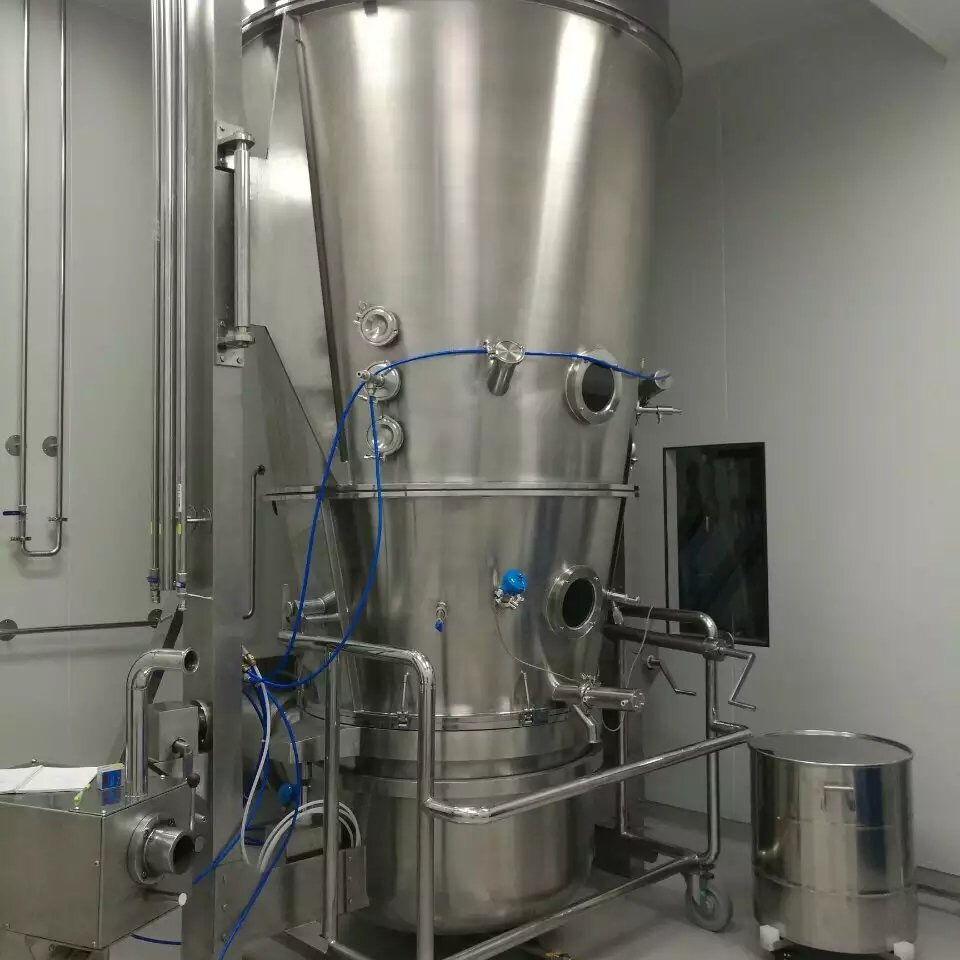 Here’s what happens inside the system: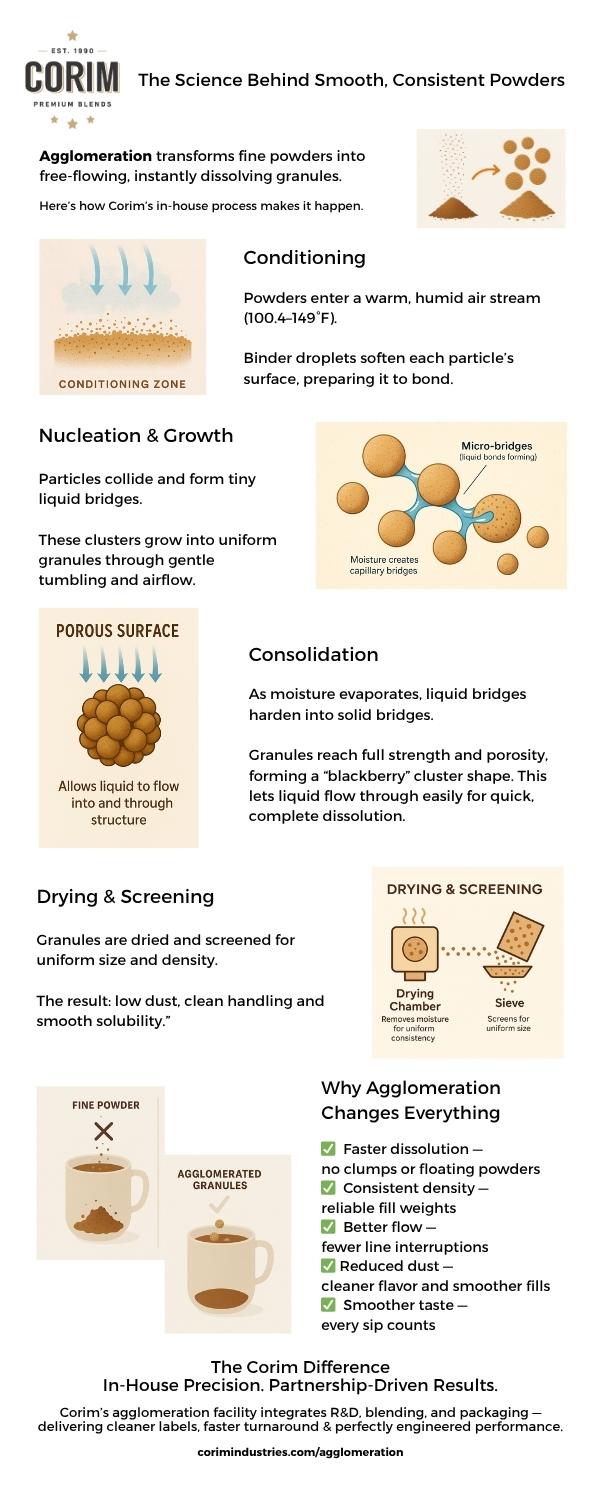
 Improved Flow Properties: