
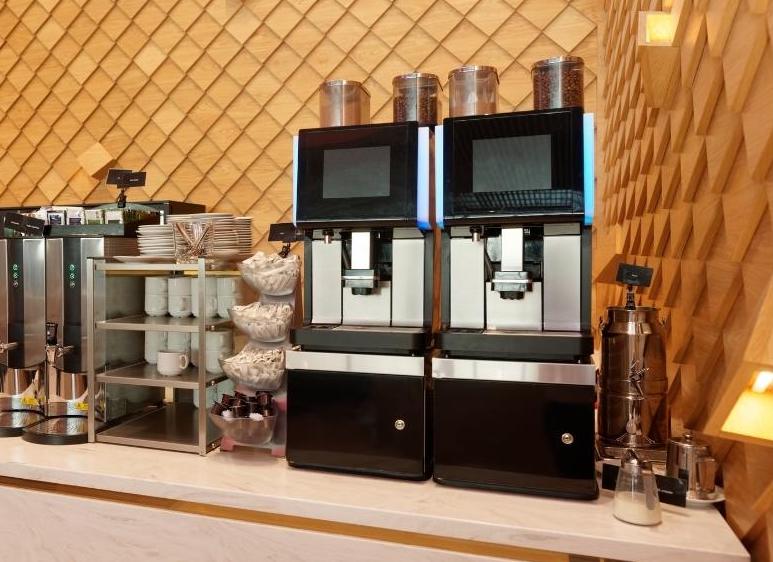
Bean-to-cup systems have become a cornerstone of today’s beverage programs. Offices, convenience stores and hospitality operators rely on them because they deliver fresh, café-style beverages without needing a full café setup. And as consumer expectations rise, these machines make it possible to offer more than basic coffee—think cappuccinos, mochas and flavored specialties available on demand.

What’s driving adoption is the blend of variety, consistency and ease of use. Modern systems from manufacturers like Jura, WMF, Schaerer and other commercial bean-to-cup brands give operators a reliable way to offer café-style drinks across locations of any size.
But there’s a factor that has just as much impact as the equipment itself:
The quality of the mixes used in the machine.
Formulation affects everything—flavor, solubility, yield, texture and even the long-term performance of the equipment. A mix designed specifically for bean-to-cup environments supports smooth operation and delivers the kind of beverage experience customers expect.
Understanding those formulation differences is what separates a beverage program that simply functions from one that customers remember.
Why Formulation Matters More Than You Think
Even the most advanced machines can only perform to the level of the ingredients they dispense. A well-built mix is engineered to flow, dissolve and hold its flavor integrity across a range of brewing conditions. A poorly formulated one can cause:
- Clumping, which affects drink texture and machine performance
- Excess residue, leading to maintenance issues and downtime
- Inconsistent yields, which make cost-per-cup unpredictable
- Flat flavors or weak aromas, which undermine the premium experience customers expect
A clean-dissolving, performance-built mix helps prevent these issues. It supports efficient operation while delivering the kind of taste and texturenormally associated with barista-made beverages.
This is why operators turn to Corim Industries, where formulations are developed specifically to meet the demands of bean-to-cup and other high-performance equipment.
Defining a Café-Style Beverage in a Bean-to-Cup Environment
Today’s consumers don’t just want a flavored hot drink. They want something that feels like a café beverage. That expectation is shaped by several formulation elements:
Flavor Balance
Cappuccino and mocha mixes need the right ratio of sweetness, cocoa, dairy components and aromatics to deliver a rounded, indulgent profile. Corim’s R&D team develops balanced profiles that are tested specifically for stability and flavor clarity in bean-to-cup applications.
Mouthfeel
A rich, creamy texture is a hallmark of café beverages. Mixes designed for bean-to-cup systems replicate this through carefully crafted dairy bases or non-dairy creamers.
 Trend Alignment
Chai, matcha, seasonal flavors and elevated classics like salted caramel or French vanilla keep beverage programs relevant without complicating operations. Corim’s ability to develop both traditional and trend-driven mixes—plus private-label customizations—makes it easier for brands to evolve their beverage offerings without revamping equipment.
When mixes deliver on these characteristics, the customer perceives the drink as premium, even in self-serve or quick-serve environments.
The Value of Domestic Manufacturing
Mixes produced in the United States offer several advantages:
- Quality assurance through consistent manufacturing standards
- Shorter, more reliable lead times compared to overseas sourcing
- Greater traceability for compliance, audits and safety protocols
- Smoother private-label development, when customization or scale is needed
U.S.-based production and in-house formulation capabilities give operators confidence in product consistency, supply continuity and regulatory transparency—all essential for long-term beverage programs.
Versatility Across Beverage Equipment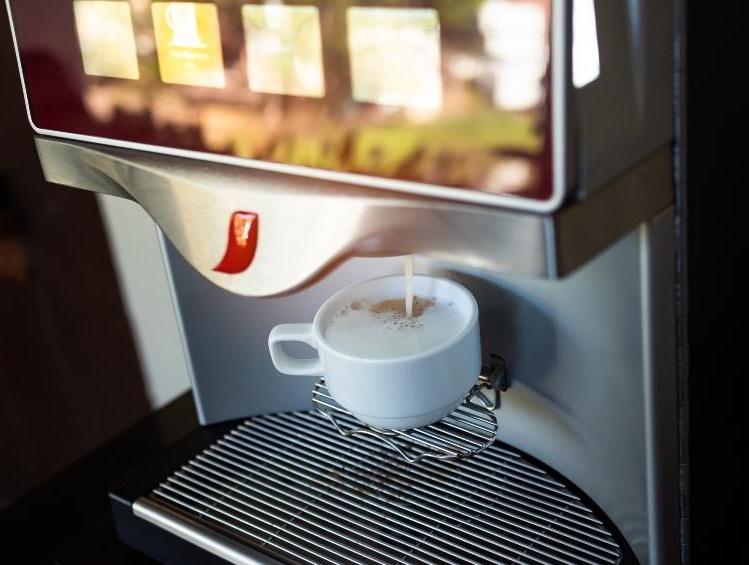
While formulated for bean-to-cup machines, high-quality mixes can perform across a range of platforms:
- Soluble hot beverage equipment
- Commercial foodservice beverage stations
- Micro-market and office coffee programs
- Retail and at-home brewing formats
Corim produces mixes that perform reliably across all these environments, helping distributors and brand owners streamline inventory and maintain flavor consistency across channels.
What to Look for When Evaluating a Mix
When selecting cappuccino or specialty beverage mixes, consider the following criteria:
- Solubility: Does it dissolve cleanly without leaving residue?
- Flavor integrity: Does the taste stay true across different machine settings?
- Yield consistency: Are portion sizes reliable cup after cup?
- Texture quality: Does the beverage feel rich and balanced, not thin or overly sweet?
- Equipment compatibility: Is the formulation tested for bean-to-cup systems?
- Manufacturing transparency: Can you trace where and how it’s made?
Corim is chosen again and again because our formulations are tested in real equipment, manufactured in the U.S. and built to ensure consistent solubility, texture and flavor.
These factors influence both operational efficiency and customer perception.
 Bringing It All Together
Bean-to-cup technology has made it possible for operators to meet modern beverage expectations at scale. But the ingredient behind the machine is what ultimately determines whether a cappuccino or specialty drink feels premium—or forgettable.
Corim Industries combines U.S.-based manufacturing, strong R&D expertise and private-label flexibility to help operators build beverage programs that deliver dependable quality and stand out in a crowded market.
Ready to strengthen your bean-to-cup program? Connect with Corim’s R&D and manufacturing team to discuss formulations, private-label opportunities and custom solutions that fit your equipment and beverage strategy.